
Summary
Industrial IoT has become a standard foundation in modern industrial operations. Control systems, monitoring platforms, and communication networks are increasingly connected, providing continuous data...
Industrial IoT has become a standard foundation in modern industrial operations. Control systems, monitoring platforms, and communication networks are increasingly connected, providing continuous data visibility across processes. While this level of connectivity suggests improved efficiency, it does not always result in improved operational performance.
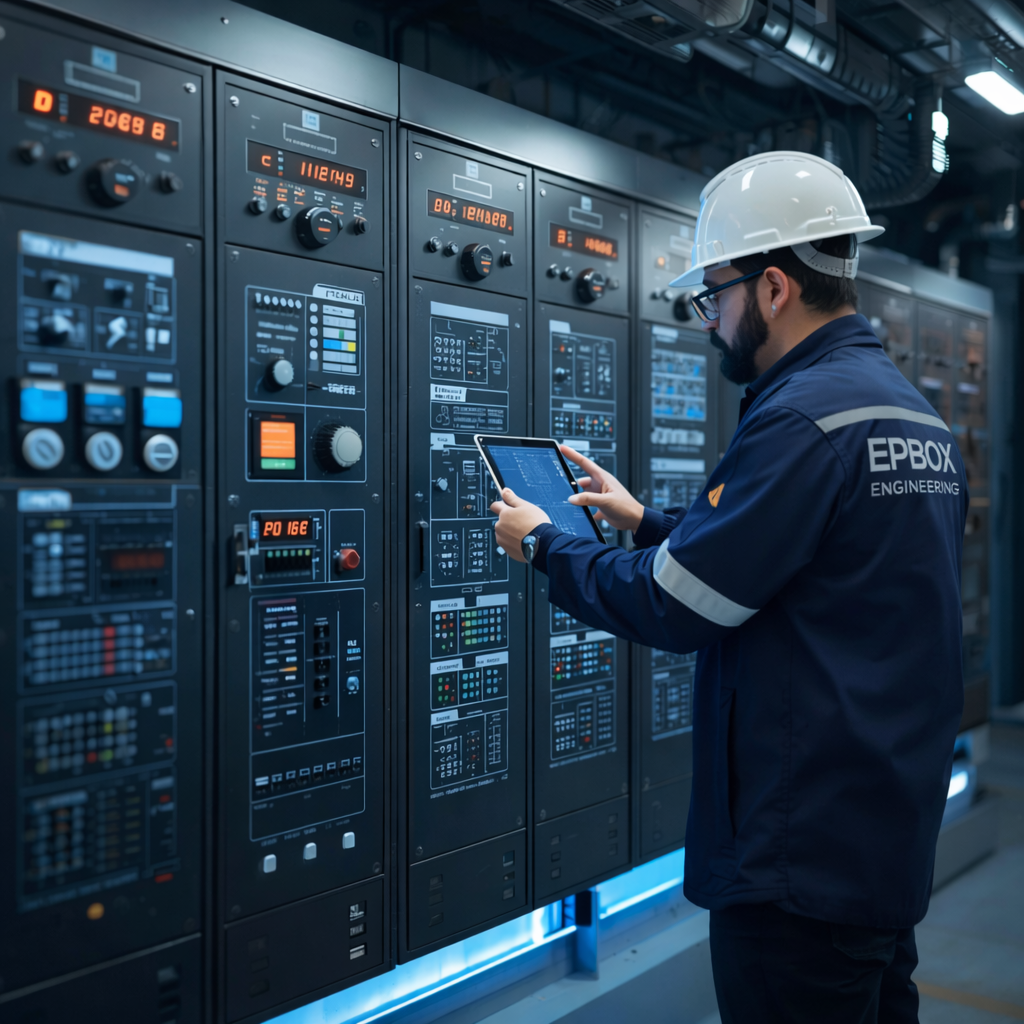
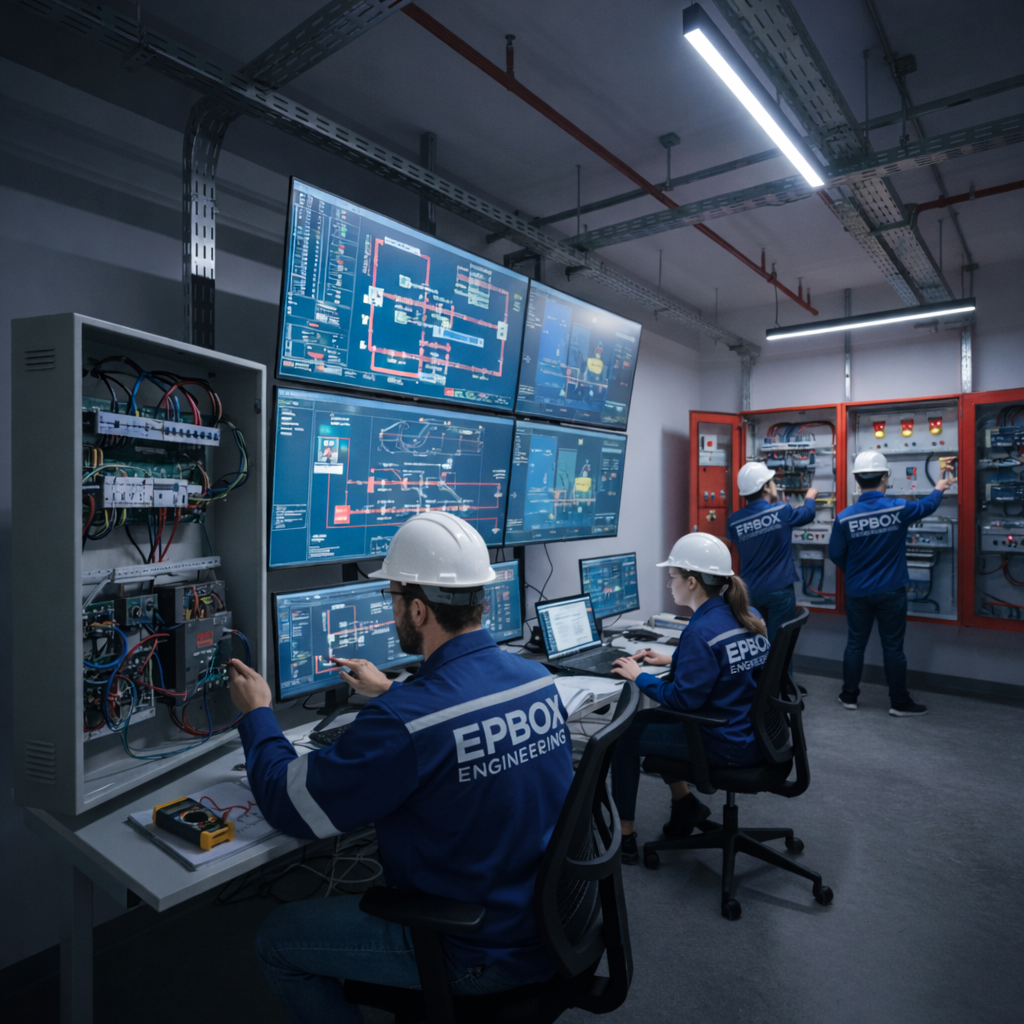
In many environments, systems are implemented as separate components without a unified integration structure. Control panels, PLCs, and monitoring systems may function correctly on their own, but lack alignment in data flow and system interaction. This creates fragmented visibility, where information exists but does not provide a complete or reliable operational picture.
Real-time monitoring further enhances system visibility, yet in practice, it is often limited to observation. Data is displayed and accessible, but not consistently linked to decision-making or operational response. As a result, systems inform operators, but do not actively support performance improvement. Visibility alone is not enough without structured action.
At the same time, manual processes remain common. Routine inspections and on-site verification are still performed despite the availability of real-time data. This reliance on manual intervention slows response time and reduces efficiency, indicating that operational practices have not fully adapted to available technology.
The core challenge lies in the gap between data and action. Industrial systems generate significant volumes of data, but without structured integration into workflows or control logic, this data remains passive. Performance improvement occurs only when data is translated into clear decisions and timely actions.
Improving system performance, therefore, is not solely about adding new technology. It requires aligning existing systems into a cohesive structure, where data is consistent, monitoring is actionable, and system responses are clearly defined. When integration is properly established, operations become more responsive, efficient, and predictable.
Industrial IoT delivers real value not through connectivity alone, but through how effectively systems are integrated and utilized in practice. EPBOX ENGINEERING focuses on developing structured and integrated control solutions that transform connected systems into reliable and high-performing operational environments.